
4,440 Times
On the name that appears more than almost any other in the Epstein files — and the silence that has greeted it across every court, every platform, and nearly every editorial desk that matters.

M Sebastian Araujo Esq.
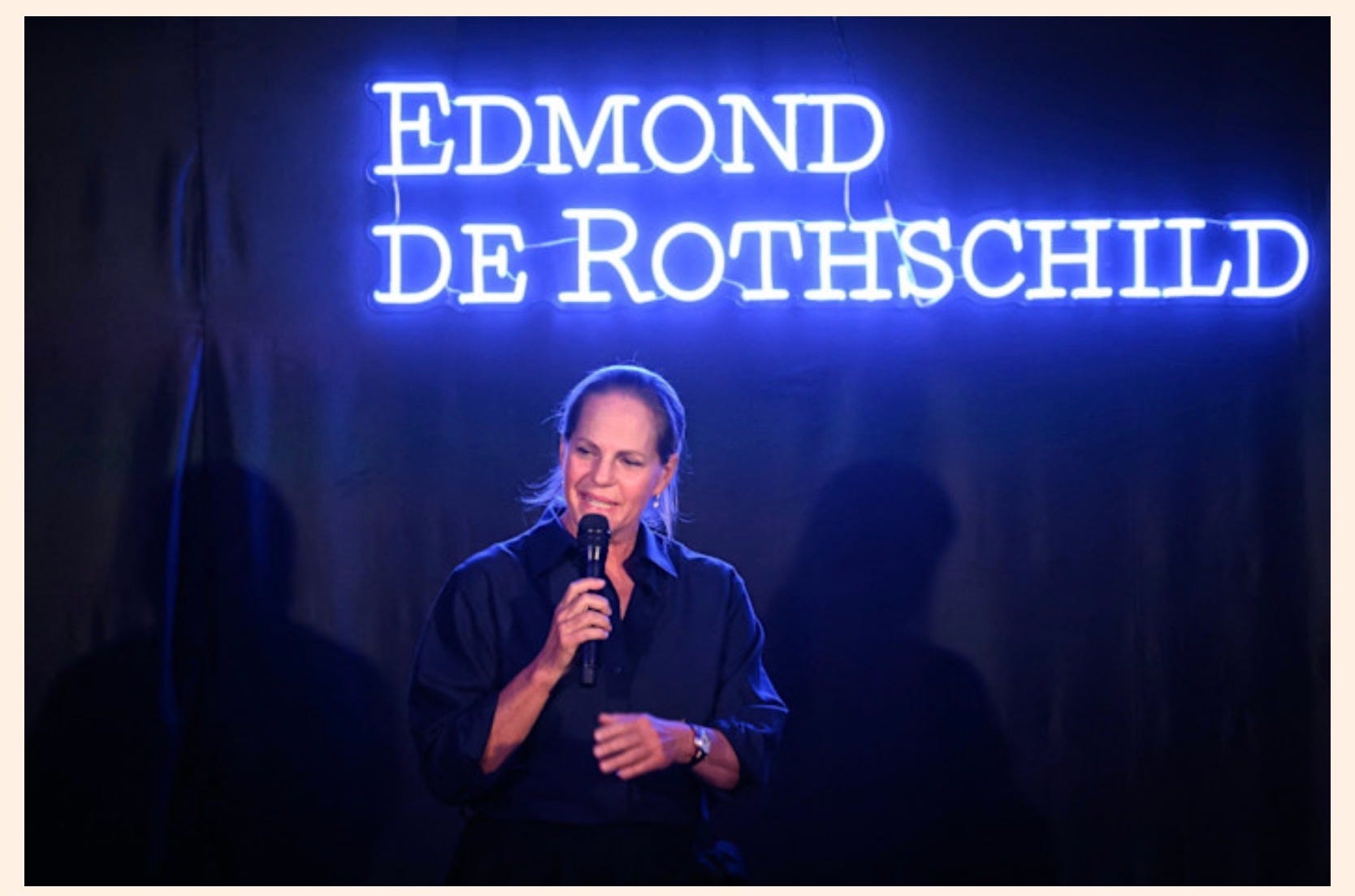
There is a photograph. A woman stands at a podium beneath a blue neon sign, well dressed, composed, speaking with the particular authority of someone who has never had occasion to doubt that the room is listening. Behind her, glowing like an accusation no one in that room appears to have noticed, are the words: EDMOND DE ROTHSCHILD
.
Her name is Ariane de Rothschild. She runs one of Europe’s most ancient banking dynasties — a Geneva-based institution with over 200 billion Swiss francs in assets under management, a history stretching back to 18th-century Frankfurt, and now, whether she or her board would care to acknowledge it, a starring role in what may be the most consequential criminal archive in living memory.
Let us say the quiet part loudly, since no one in power appears especially eager to do so.
When the U.S. Department of Justice released its Epstein files on January 30th, 2026, the world rushed to tally names. Prince Andrew, already a ruin. Elon Musk, whose interest in visiting the island has been documented with uncomfortable specificity. Google’s Sergey Brin. Donald Trump, whose name appears in the searchable DOJ database 4,732 times — more than almost anyone else in those three million pages.
Almost.
Ariane de Rothschild’s name appears 4,440 times.
Nearly as often as the sitting President of the United States. More than almost any other name in the most-searched criminal archive in American history. Second only to a man currently occupying the White House. And yet — look around. Check the front pages. Scroll the feeds. Listen, as I have been listening, to the silence.
That silence is what this piece is about.
The Financial Times did not flinch when the documents landed. Jeffrey Epstein, the paper reported, had become “a personal confidant and key business adviser” to Ariane de Rothschild for six years, beginning in 2013 — the same year she assumed operational control of the bank. Not an acquaintance. Not a peripheral contact logged in a shared address book. A personal confidant. Six years. Thousands of emails and messages, the paper found, exchanged between the French banker and the convicted sex offender: messages in which she shared private confidences of the kind one does not exchange with a business contact, however unconventional.
The bank, having initially described their contact as arising from Ariane’s “normal activities within the Group,” was eventually cornered into admitting that the relationship had evolved into something “more personal… over the years.”
More personal. The phrase doing a great deal of heavy lifting for a very great deal of correspondence.
The emails themselves are not evasive. In February 2015, weeks after she formally took the helm, Ariane de Rothschild wrote to Epstein: “I’m freaking out and scared I won’t be up to the job.” The man on the receiving end of that confession — registered on the Florida sex offender list, his 2008 conviction a matter of wide public record — replied with the warm precision of someone who understood exactly how useful fear could be: “You never have to hide from me, I can listen, and advise or just listen, there is nothing you can tell me that shocks me.”
That is not the language of professional services.
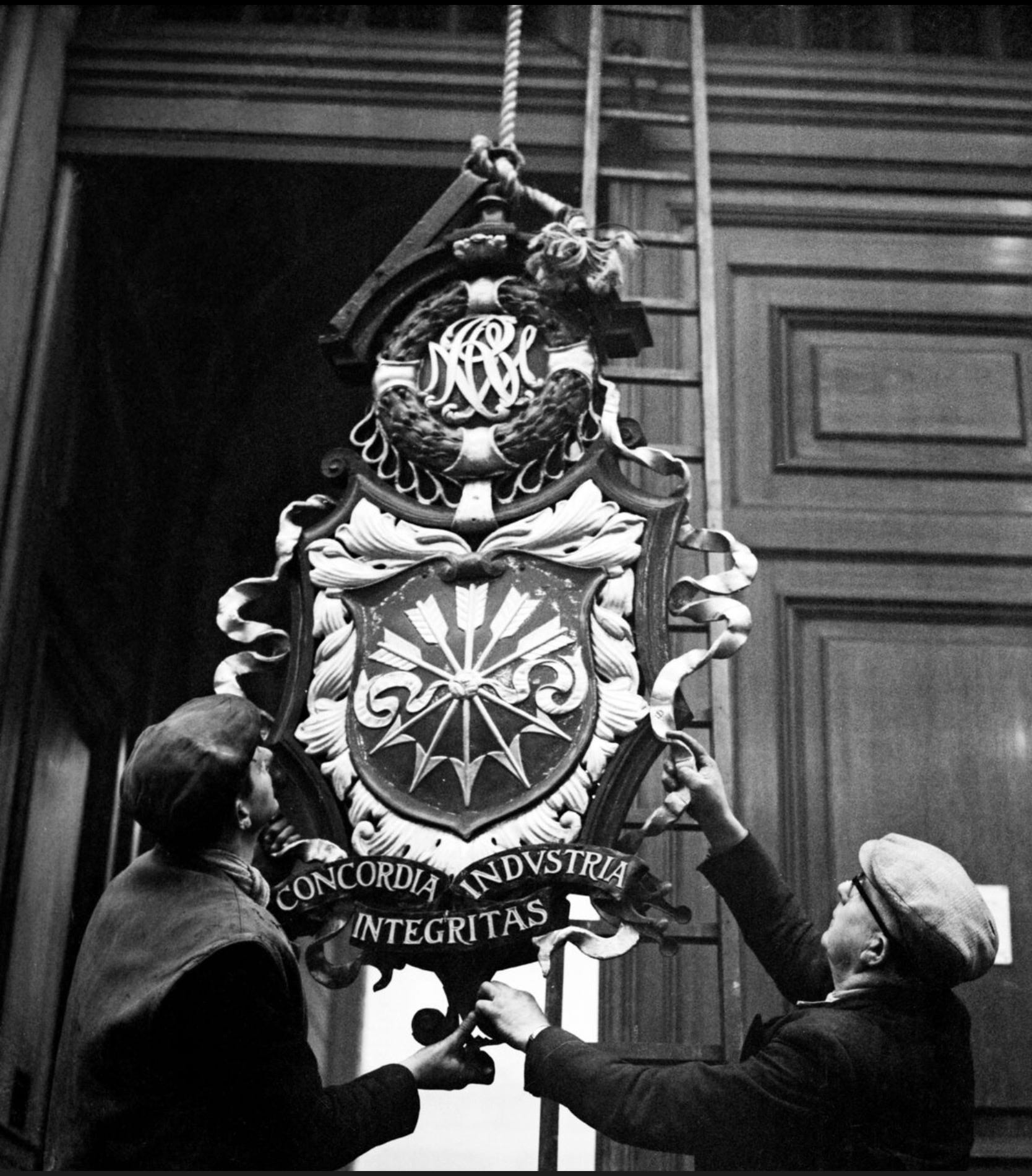
That is the language of a web being spun
.
Le Monde, in its February 4th coverage, described the dynamic plainly. The two shared, in the newspaper’s words, “une vraie proximité” — a real proximity — with Ariane more frequently seeking counsel and validation while Epstein had deliberately positioned himself as “mentor, ami, confident”: mentor, friend, and confidant. He listened to her fears. He absorbed her account of the bitter internal family feud with the rival Paris-based Rothschild branch — Rothschild & Co, run by her estranged cousins-in-law — over control of the storied family name. He counselled her on geopolitics. He coached her through federal scrutiny. He made himself, with patience and evident skill, indispensable.
By October 2015, that indispensability had a price tag. A formal agreement between Epstein’s Southern Trust Company Inc. — registered in the U.S. Virgin Islands — and the Edmond de Rothschild Group was signed for a sum of $25 million, covering what the contract described as “risk analysis and algorithm-related services.” The payment was made in two instalments: October and November of 2015. In the weeks surrounding those payments, according to reporting by the Financial Times and Le Monde, Epstein authored numbered action lists directing Ariane’s personnel decisions, advised on deployment of legal counsel, and, in his own words, worked to get the matter “closed.”
One week after those directives, the bank finalised a $45 million settlement with the United States Department of Justice.
A registered sex offender had navigated a federal investigation on behalf of one of the world’s most prestigious private banks — and billed $25 million for the service.
And then there is a detail that illuminates something even more unsettling than the emails: the question of how Epstein’s credibility was manufactured in the first place. Les Wexner, the former Victoria’s Secret chief, testified under oath that his trust in Jeffrey Epstein derived in part from Epstein’s claimed work for “the Rothschild Family in France” — specifically citing conversations with Élie de Rothschild of the Paris-based Rothschild & Co.
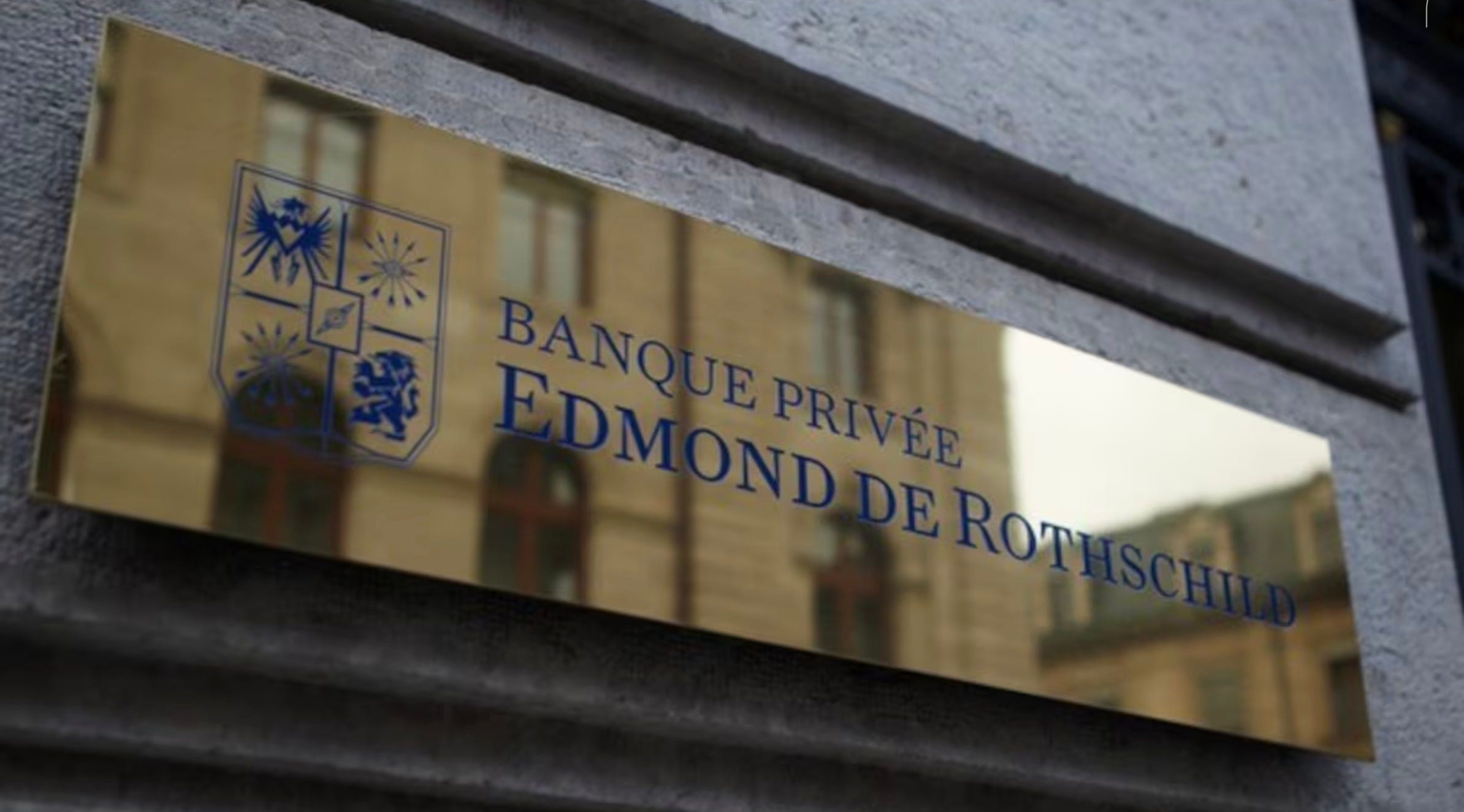
Note well: Élie de Rothschild’s branch and Ariane’s Edmond de Rothschild Group are not the same institution. The two sides of the family had, by 2015, become such bitter commercial rivals that Ariane’s bank sued the Paris branch over the use of the Rothschild name — a dispute that dragged through courts for three years before settlement in 2018. They are, in the bluntest possible terms, competitors
.
And yet the name is the name. The gravity of it is the gravity of it. What Wexner’s testimony reveals — what it reveals and what no one in the mainstream coverage of this story has paused long enough to examine — is that Epstein understood the architecture of European dynastic finance better than most Europeans do. He played both branches. He leveraged the collective weight of a name so powerful that even its internal fractures could be made useful. He did not merely befriend a banking heir. He embedded himself in the connective tissue of old European money, made himself fluent in its anxieties and feuds, and charged accordingly.
The question of who, beyond Ariane, knew about the extent of that embedding remains, to date, unanswered.
Here is what the Magpie finds genuinely impossible to set aside. We live in an era of instant, total, algorithmic accountability — for some. A celebrity misspeaks on a podcast and careers are over before the episode stops downloading. A mid-level politician is photographed at the wrong dinner and the machinery of public ruin cranks to life within the hour. The internet, when it chooses to be, is a remarkably precise instrument of consequence.
And yet: a name appearing 4,440 times in the Epstein files drifts quietly past. No sustained congressional inquiry has placed Ariane de Rothschild at its centre. No major social platform has amplified the story with the velocity it reflexively provides for smaller scandals involving less established names. The algorithm — that invisible editor of our collective attention — has its own instincts, it appears, about which revelations deserve virality and which deserve a gentle downstream drift.
The mainstream press noted it. Reuters covered it. The Financial Times and Le Monde covered it with more rigour than most. The wire services did their work. But noted is not the same as pursued. Covered is not the same as relentless. The story has been filed, acknowledged, and carefully set aside — like something one picks up at a market, turns over with a murmur of interest, and replaces on the table without buying.
One wonders, as one always must, about the architecture of those decisions. One wonders who makes them, and what sits beneath the making.
In the meantime, the money has never flowed more freely. Net new inflows of over CHF 10 billion in 2025. A further CHF 5 billion since January 30th — since the very day the documents were released. Assets under management at a record high of over CHF 200 billion. Swissinfo.ch noted, with a matter-of-factness so surreal it approaches art, that inflows “remained strong even after January 30th.” The Board of Directors, for its part, has announced it is conducting “thorough independent monitoring of the situation.”
Monitoring. Still monitoring.
The money flows. The board monitors. And Ariane de Rothschild continues to stand beneath blue neon signs, microphone in hand, in rooms full of people who have decided — individually, collectively, and with impressive coordination — that what is in those documents is someone else’s problem.
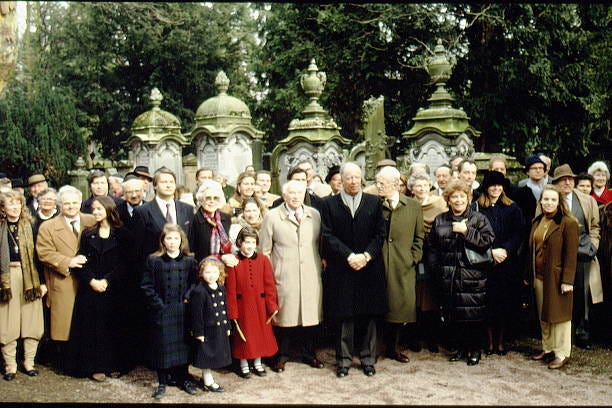
The Magpie does not traffic in conspiracy. What I traffic in is the gap — the measurable, document-backed, sworn-testimony-verified gap — between what the files say and what the world has decided to discuss. A name appears 4,440 times. A $25 million contract exists, signed and public. A federal settlement was steered to completion by a man on the Florida sex offender registry. A rival banking dynasty’s representative testified, under oath, that this same man built his credibility on the Rothschild name. Three million pages of documents sit in a public archive, fully searchable, and one of the most prominent names in them has received, in proportion to its frequency, approximately one percent of the coverage devoted to names that appear far less often
.
These are not theories. They are documents. They are depositions. They are the emails of a frightened woman and the calculated reply of a man who made a career of being exactly what frightened, powerful people needed him to be.
The photograph remains, though.
The blue neon burns above her head. The name glows in the dark. And some things — no matter how carefully managed, how quietly suppressed, how thoroughly monitored by the board of directors — insist, in the end, on being seen.
The Magpie Chronicles is written without advertising, without apology, and without anyone’s permission.
If this piece found you, it found you for a reason.
Share it with someone who still reads.

Great work